Dental implants are the only tooth replacement option that can genuinely last a lifetime. Not a decade, not twenty years a lifetime, for many patients. But that outcome is not automatic. It depends on a combination of clinical factors, patient habits, and the quality of care before, during, and after treatment.
If you are considering implants and wondering what your investment will realistically last, here is an honest look at what determines implant longevity and what you can do to make sure yours are on the right side of those numbers.
Long-term studies consistently show implant survival rates above 95% over ten years and many patients carry well-placed, well-maintained implants for twenty, thirty years and beyond.
The Short Answer and the Longer One
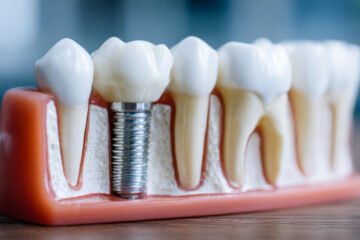
The implant fixture itself the titanium screw that fuses with the jawbone is extraordinarily durable. Once osseointegration is complete, the implant becomes part of the bone, and there is no biological reason it cannot remain there indefinitely.
The crown placed on top of the implant is a different story. Crowns are subject to the same wear and tear as natural teeth biting forces, temperature changes, and the effects of time. A well-made zirconia or ceramic crown typically lasts fifteen to twenty years before it may need replacing. Replacing the crown does not mean the implant has failed the implant underneath can remain perfectly intact.
Factors That Determine How Long Your Implant Lasts
1. Bone quality and volume at placement
An implant needs sufficient, healthy bone to achieve the tight fusion that gives it long-term stability. Patients with good bone density at the time of placement have a significant head start. Where bone has been lost after an extraction, a graft may be recommended first this is not a complication, it is preparation that protects the implant’s future.
2. Your oral hygiene
The most common cause of implant failure after successful integration is peri-implantitis essentially gum disease around the implant. The implant cannot get a cavity, but the tissue and bone surrounding it are vulnerable to bacterial infection if plaque is allowed to accumulate. Daily brushing, flossing, and regular professional cleans are as important for implants as for natural teeth perhaps more so.
3. Smoking
Smoking is the single biggest lifestyle risk factor for implant failure. It reduces blood supply to the healing bone, impairs immune response, and dramatically increases the risk of peri-implantitis. Patients who smoke are counselled honestly about this at House of Smiles. Implants can still be placed in smokers, but the failure rate is measurably higher. Quitting even temporarily around the time of surgery significantly improves outcomes.
4. Diabetes and systemic health
Well-controlled diabetes is generally compatible with successful implant treatment. Poorly controlled diabetes interferes with bone healing and increases infection risk. Other systemic conditions and certain long-term medications can also affect how bone responds to an implant. A thorough medical history review before treatment is not a formality — it directly informs the clinical plan.
5. Bite forces and grinding
Patients who grind their teeth place significantly higher forces on their implants than average. Over time, excessive force can affect the bone-implant interface and accelerate wear on the crown. A night guard is strongly recommended for bruxing patients with implants — it is a small investment that protects a much larger one.
6. The quality of the original treatment
Implant longevity starts in the surgical planning stage. Accurate bone assessment, correct implant positioning, appropriate loading protocols, and a well-fitting crown all contribute to outcomes that hold up over decades. Patients researching the best dental implants in Bangalore should look beyond cost alone the clinical decision-making and execution behind the placement matter enormously.
What Maintenance Looks Like Long-Term
Implant maintenance is not complicated, but it needs to be consistent:
- Brush twice daily: a soft-bristled toothbrush or electric toothbrush works well around implants
- Floss daily: implant-specific floss or an interdental brush cleans the space around the implant effectively
- Professional clean every six months: your hygienist will use instruments safe for implant surfaces
- Annual X-ray: this allows your dentist to check bone levels around the implant and catch any changes early
- Tell your dentist immediately if anything feels different looseness, discomfort, or gum changes around an implant are always worth checking promptly
Patients who keep these appointments and maintain good home hygiene rarely encounter problems. The implants placed by the best dental implants in Bangalore clinics that fail prematurely almost always have a common thread inadequate maintenance or a health factor that was not managed.
How Implants Compare to Other Options Over Time
A conventional bridge typically lasts ten to fifteen years before the anchor teeth or the bridge itself needs attention. Partial dentures require refitting as the jawbone changes shape and the bone continues to change precisely because there is no implant root stimulating it.
An implant, by contrast, preserves the bone underneath it, functions identically to a natural tooth, and with proper care does not impose the ongoing costs and adjustments that other restorations typically accumulate over the same period. Over a twenty-year horizon, the economics of an implant are often more favourable than they appear at the outset.
The Bottom Line
Dental implants are designed to last. Whether they do depends on the quality of the placement, the health of the patient, and the consistency of care afterwards. All three of those things are manageable and none of them are out of your control.
If you are exploring the best dental implants in Bangalore and want a clear, honest picture of what your specific situation would look like bone, health, timeline, and realistic outcome come in for a consultation. We will give you the full picture before you make any decision.
Find out how long your implant could last
Book an implant consultation at House of Smiles, Indiranagar. We will assess your bone, review your health history, and give you a realistic, personalised picture of what implant treatment would involve for you.