Losing a tooth as an adult is more common than people admit. Whether it happened from an accident, decay, or an unavoidable extraction, the next question is almost always the same: now what? Two solutions come up repeatedly implants and bridges. Both restore your smile, but they work very differently. Here’s an honest breakdown.
Understanding Each Option
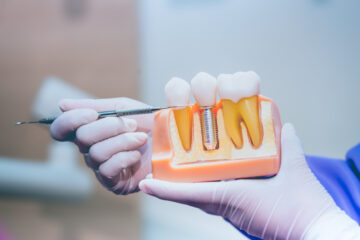
A dental implant is a titanium post placed directly into your jawbone. Once it integrates with the bone over a few months, a custom crown is attached on top. The result looks, feels, and functions exactly like a natural tooth—nobody will know it’s artificial.
A dental bridge spans the gap left by a missing tooth by using the two neighboring teeth as anchors. These teeth are filed down to support crowns, with an artificial tooth in the middle bridging the space. It’s a time-tested solution that doesn’t require surgery.
When a Dental Implant Makes More Sense
If you’re in good health, have adequate jawbone density, and want a long-term investment, an implant is often the superior choice.
It preserves your jawbone. When a tooth root is missing, the bone beneath it gradually shrinks. An implant stimulates that bone, preventing the sunken appearance that accompanies long-term tooth loss.
It doesn’t compromise neighboring teeth. Unlike a bridge, an implant is completely self-standing. Your healthy adjacent teeth remain untouched.
It lasts longer. With proper care, implants can last a lifetime. Bridges typically need replacement every 10-15 years.
For anyone researching the best dental implants in Bangalore, the conversation often circles back to this: implants are the closest thing modern dentistry offers to a natural tooth.
When a Dental Bridge Is the Better Fit
Bridges have their place. If neighboring teeth already have large fillings or decay, crowning them as part of a bridge serves double duty—treating those teeth while replacing the missing one. Bridges are completed in just two visits, making them faster than implants. For patients without sufficient bone density or those who prefer to avoid surgery, a bridge offers a reliable alternative.
Cost is another factor. Bridges have a lower upfront cost, though when you factor in replacements over decades, implants often prove more economical long-term.
The Honest Answer: It Depends
There’s no universal winner here. The right choice depends on your bone health, the condition of neighboring teeth, your budget, and your timeline. This is exactly why clinics offering the best dental implants in Bangalore emphasize thorough assessment before recommending any treatment—what works for one patient may not suit another.
At House of Smiles Dental Clinic, we present both options transparently and let you make an informed decision. The outcome is always better when it’s based on your specific clinical picture rather than a general preference.
What to Ask Your Dentist
Before committing to either option, ask:
– Is my bone density adequate for an implant?
– Are my neighboring teeth healthy enough to remain untouched?
– What does the full cost look like over 10-20 years for each option?
Your Smile Is Worth Getting Right
Missing a tooth affects more than appearance it changes how you chew, speak, and over time, the structure of your face. Both options restore function but carry different long-term implications.
Take your time, ask questions, and choose a clinic where you feel heard. Whether you go with an implant or a bridge, finding the best dental implants in Bangalore starts with an honest conversation about what’s right specifically for you.