Root canal therapy is one of dentistry’s most successful procedures, with success rates between 85-97%. However, patients are often surprised to learn that root canals can fail. Understanding why this happens and what to do about it can help you protect your dental health and save your natural tooth.
Why Do Root Canals Fail?
Root canal failure occurs when bacteria re-enter the tooth or when infection persists despite treatment. Common causes include:
Complex tooth anatomy: Hidden or extra canals that are difficult to clean thoroughly, especially in molars with multiple roots.
Delayed crown placement: When too much time passes between the root canal and permanent crown, the temporary filling can crack, allowing bacteria back inside.
Tooth fractures: Treated teeth can become brittle over time. Cracks from chewing, grinding, or trauma create pathways for reinfection.
New decay: Cavities can form around crown margins, eventually reaching the tooth’s interior.
Inadequate sealing: Gaps in filling material or poor restoration sealing allow bacteria to survive and multiply.
Warning Signs of Root Canal Failure
Watch for these symptoms, which can appear weeks, months, or even years after treatment:
- Persistent or returning tooth pain, especially when biting
- Swelling or tenderness in the gums
- Prolonged sensitivity to hot or cold
- A pimple-like bump on the gum (gum boil)
- Tooth discoloration or darkening
- Increased tooth mobility
If you experience any of these symptoms, contact your dentist immediately. Early intervention dramatically improves the chances of saving your tooth.
Root Canal Re-Treatment: Your Best Option
When a root canal fails, re-treatment is typically the first recommended solution. During this procedure, your endodontist:
- Removes the existing crown and filling material
- Thoroughly cleans and disinfects the canals again
- Searches for missed canals or complications
- Refills and seals the tooth
- Places a new crown to protect the tooth
Re-treatment success rates range from 60-85%, offering good odds of saving your natural tooth. While this is lower than initial treatment, it’s often more affordable than tooth
replacement options like dental implants, which can cost $3,000-$5,000.
If re-treatment isn’t possible due to severe cracks or extensive damage, alternatives include endodontic surgery (apicoectomy), dental implants, bridges, or partial dentures.
Preventing Root Canal Failure
Maximize your treatment success with these strategies:
- Get your crown promptly: Don’t delay permanent restoration beyond your dentist’s recommended timeframe (typically 2-4 weeks)
- Practice excellent oral hygiene: Brush twice daily, floss daily, and pay special attention to the gumline around crowns
- Attend regular checkups: Professional cleanings every six months enable early problem detection
- Protect against grinding: If you clench or grind your teeth, ask about a custom nightguard
- Avoid hard foods: Don’t use treated teeth to chew ice, crack nuts, or bite hard objects
- Address problems early: Don’t ignore small cavities, loose crowns, or sensitivity
The Bottom Line
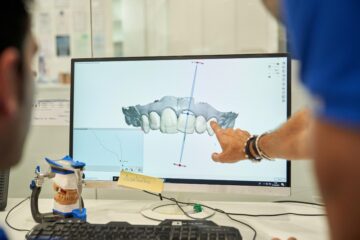
While root canal failure is possible, it’s uncommon. Most treated teeth last many years or even a lifetime with proper care. Modern technology like dental microscopes and 3D imaging continues to improve success rates for both initial treatment and re-treatment.
If you suspect your root canal has failed, don’t wait—early intervention makes all the
difference. Your dental team can evaluate your tooth, discuss treatment options, and help
you make the best decision for your oral health. With today’s advanced techniques, there’s an excellent chance you can keep your natural tooth and maintain a healthy, confident smile.